Anxiety in ministry
Anxiety in ministry is common. Silence is what makes it costly.
A hub for pastors, staff, and boards who are carrying more worry than they say out loud. Start with the honest questions below, then use the articles, practices, and resources gathered here to name what you are carrying and share the weight.
Start here
The questions leaders ask quietly.
Plain answers to the questions that rarely make it into a staff meeting, and almost never into a sermon.
- What is anxiety in ministry?
- Anxiety in ministry is the persistent worry, dread, or nervous vigilance that comes with carrying responsibility for people, outcomes, and a community's spiritual life. It shows up as sleeplessness before Sunday, replaying conversations, avoiding conflict, or a low hum of pressure that never quite turns off. It is common, it is not a character flaw, and it is treatable.
- Why are so many pastors anxious?
- Ministry combines unclear boundaries, unlimited need, public evaluation, and a role where the work is never finished. Add financial pressure, thin staffing, unresolved conflict, and the expectation to be spiritually steady for everyone else, and the conditions for chronic anxiety are built into the job unless leaders deliberately change them.
- What are the signs of anxiety in a leader?
- Watch for irritability, difficulty sleeping, chronic tiredness that rest does not fix, avoiding hard conversations, over-controlling details, difficulty concentrating, physical symptoms like a tight chest or stomach trouble, and a shrinking sense of joy in work you once loved.
- How can a pastor manage anxiety?
- Start by naming it out loud to one safe person. Then work on both the interior and the structural: prayer and honest lament, sleep and exercise, a weekly sabbath you actually take, and professional counseling when needed, alongside role clarity, realistic expectations, and a leadership team that shares the weight rather than routing everything through you.
- Is anxiety a sin?
- No. Scripture repeatedly invites the anxious to bring their fear to God rather than shaming them for having it. Treating anxiety as a moral failure keeps leaders silent and makes it worse. Treat it the way you would treat any other health condition: honestly, early, and with help.
- How can a church support an anxious leader?
- Give the role clear boundaries and a real day off, fund counseling, name who owns what so the leader is not the default answer to everything, resolve conflict rather than letting it linger, and build a culture where saying "I am struggling" is met with care instead of suspicion.
- When should a leader seek professional help?
- Seek help when anxiety persists most days for several weeks, interferes with sleep, relationships, or work, brings panic symptoms, or leads you toward numbing behaviors. A licensed counselor is not a last resort; it is ordinary maintenance for people who carry weight for a living.
Practices
Six things that actually lower the pressure.
Name it with one person
Anxiety grows in isolation. Tell one trusted person what you are actually carrying this week, before it becomes a crisis conversation.
Write the worry down
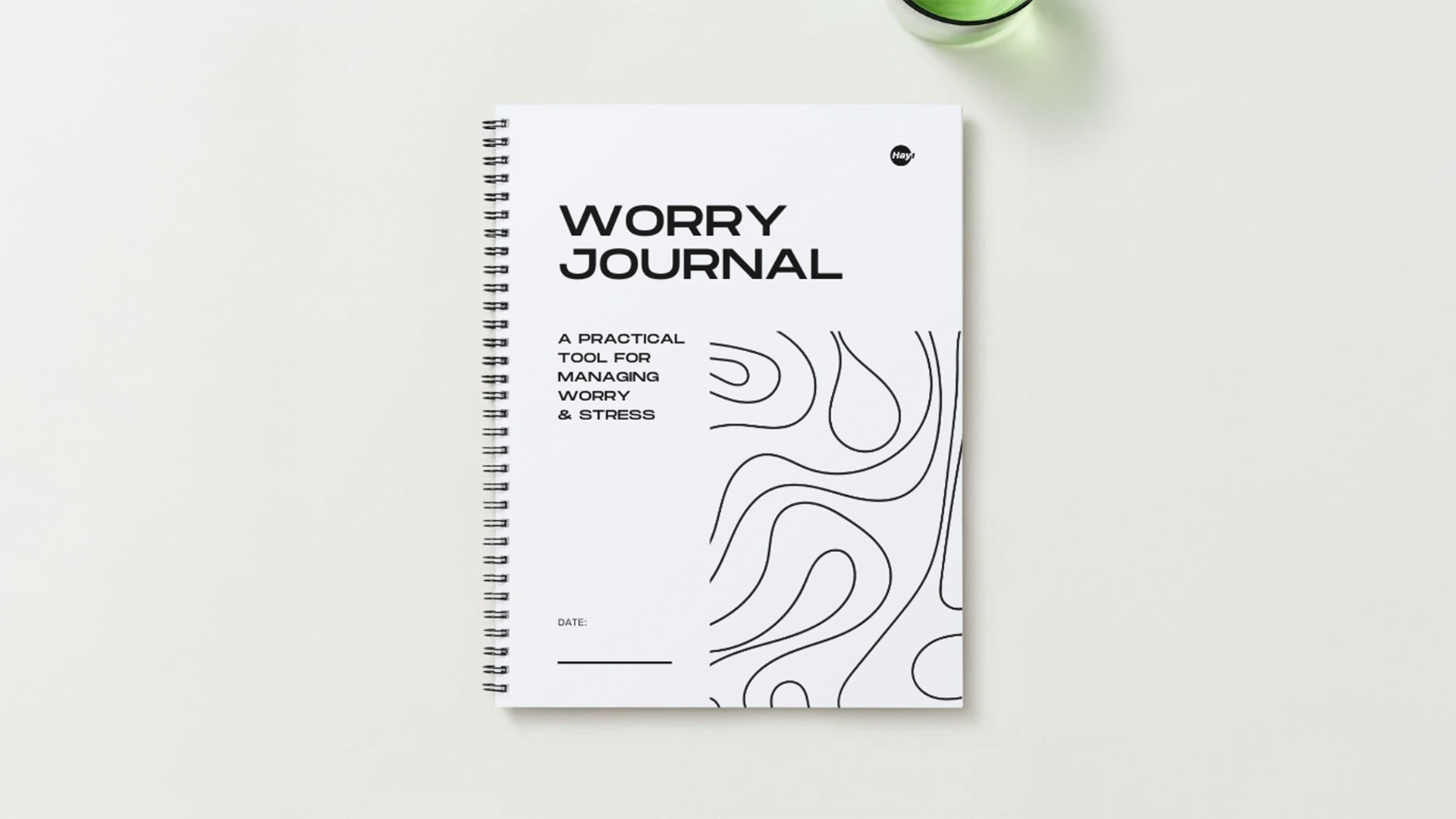
Getting the loop out of your head and onto paper separates what is true from what is only loud. The worry journal gives you a simple weekly rhythm.
Protect one real day off
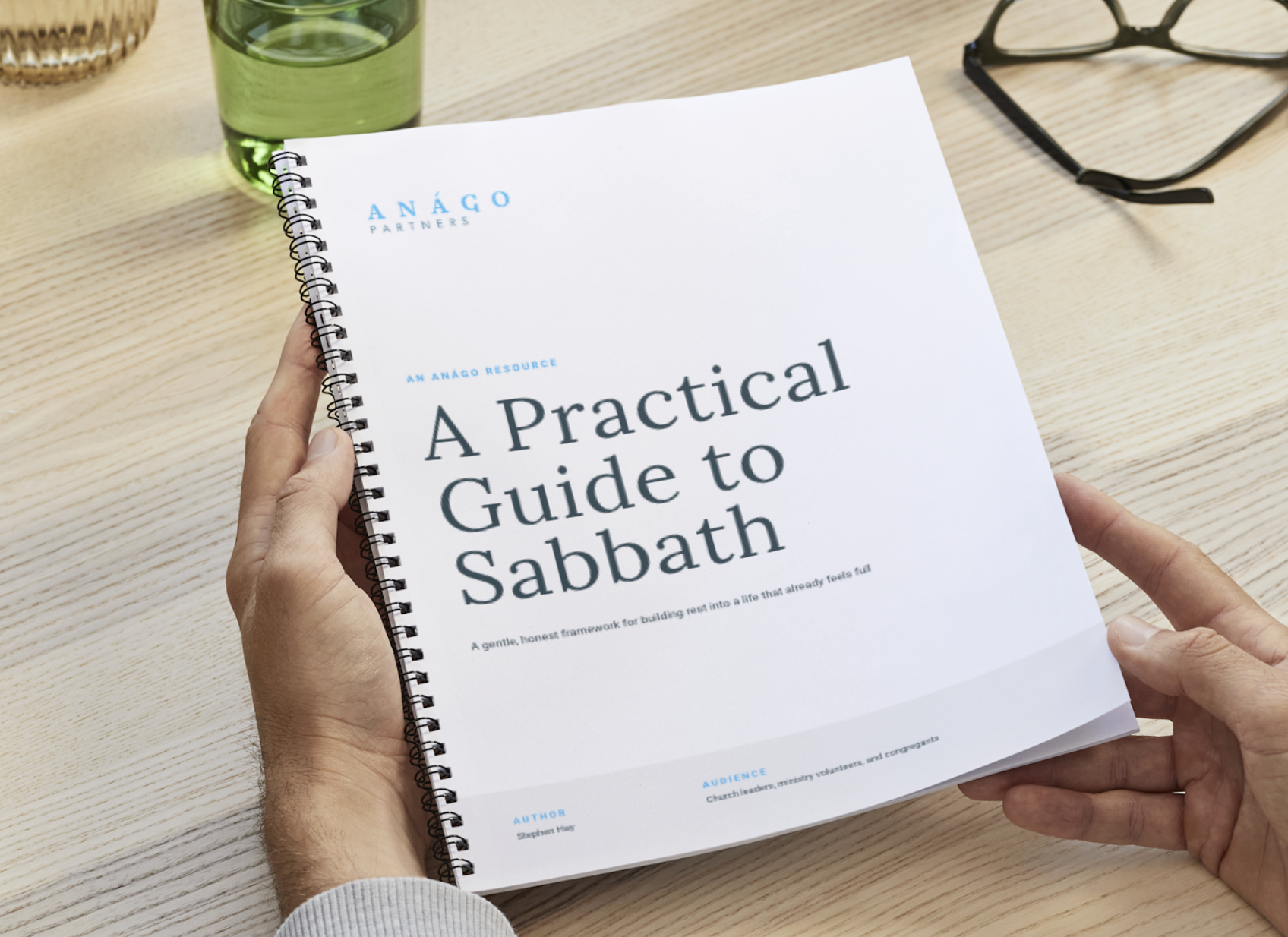
A sabbath you actually take, phone off and calendar closed, does more for anxiety than another productivity system.
Clarify who owns what
Much ministry anxiety is structural. When every decision routes through one person, that person will be anxious. Role clarity is pastoral care.
Get professional support
A licensed counselor is ordinary maintenance for people who carry weight for a living, not evidence that something has gone wrong with your faith.
Let the team share the weight
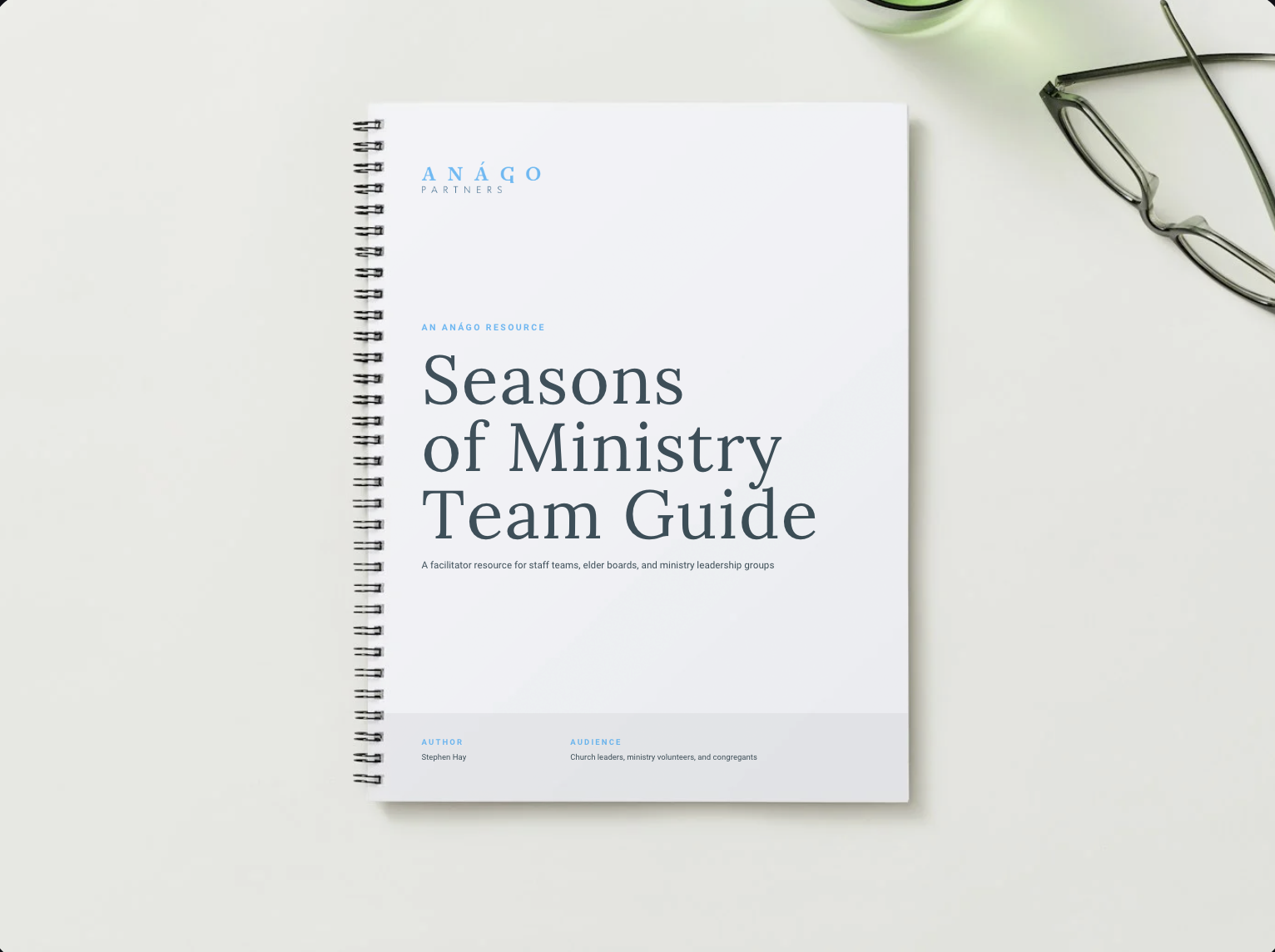
Healthy teams distribute pressure. Assess where your team actually is, then choose one change you can sustain together.
Articles
Writing on worry, rest, and leading while afraid.



Resources
Tools for tending to your own health.

Start here
Take the free leadership assessment.
The Right Thing Assessment is a free leadership style quiz from Stephen Hay's Power of Availability framework. Twelve questions, about ten minutes, and a scored snapshot of your character, motives, impact, and boundaries.
Next step
You should not carry this alone.
Stephen works with pastors and leadership teams to name what is driving the pressure and change the structures that keep it there.
Get new resources by email
One email when something new is published. No noise, no spam.