Pastoral health
Pastoral burnout prevention starts long before you feel finished.
Burnout is not a sudden collapse. It is the accumulation of a thousand unhealed interruptions. A guide for pastors and ministry leaders who want to last for the long haul.
The real story
Burnout grows like a debt the body never forgets.
Every period of high activity demands a corresponding season of recovery before true rest can return. Most leaders in ministry never learn that rhythm. They attempt to skip the valley. They short-circuit the healing. And over time, they lose their baseline.
This is how burnout grows: not as a sudden explosion, but as a thousand unhealed interruptions. The good news is that prevention is possible when it becomes a practice, not a rescue mission.
Start here
The questions pastors ask quietly.
Plain answers about pastoral burnout, its warning signs, and how to prevent it before it becomes a crisis.
- What is pastoral burnout?
- Pastoral burnout is a state of sustained physical, emotional, and spiritual depletion caused by prolonged stress in ministry. It often shows up as exhaustion, cynicism toward the people you serve, and a sense that your work no longer matters. Burnout is not weakness; it is the body and soul saying the load has been too heavy for too long.
- What are the early warning signs of pastoral burnout?
- Watch for tiredness that sleep does not fix, irritability with people you once enjoyed, difficulty concentrating, a loss of joy in preaching or leading, pulling away from relationships, and a growing sense that your work is meaningless. These are invitations to pause before you break.
- Why do pastors burn out?
- Ministry combines unclear boundaries, unlimited need, emotional intensity, public scrutiny, and a role that feels impossible to set down. When rest is treated as optional and every crisis becomes personal, the nervous system never gets to recover. Over time, the body adapts to stress as if it were normal life.
- How can pastors prevent burnout?
- Prevention starts with recovery, not just rest. Take two consecutive days off so the first day can be for recovery and the second for rest. Protect sleep, set boundaries around your time, share the weight with a team, and get professional support before you are in crisis. Sustainable ministry is built in ordinary weeks, not heroics.
- Is burnout a sign of weak faith?
- No. Burnout is a sign that the human body has limits. Jesus himself withdrew to quiet places to rest and pray. The refusal to stop is often a sign of misplaced identity, not greater faith. The Shepherd who called you is also the one who makes you lie down.
- How can a church help prevent pastoral burnout?
- Honor the pastor's Sabbath and day off without exceptions. Fund counseling and coaching. Clarify who owns what so every decision does not route through the pastor. Give real accountability, not just applause. And when a pastor says they are struggling, respond with care rather than suspicion.
Practices
Six rhythms that protect a pastor's health.
Take two consecutive days off
The first day is for recovery. The second is for rest. One day is rarely enough for a pastor's nervous system to return to baseline after a Sunday.
Name the load out loud
Burnout grows in isolation. Tell one trusted person what you are actually carrying before it becomes a crisis conversation.
Clarify who owns what
When every decision routes through the pastor, the pressure never turns off. Role clarity is a pastoral health strategy.
Protect your sleep
Sleep is not a luxury for leaders. It is the foundation of emotional regulation, discernment, and sustainable presence.
Get professional support early
A counselor or coach is ordinary maintenance for people who carry weight for a living, not a last resort for failure.
Recover before you return
High activity demands a recovery trough before true rest. Do not skip the valley. Your body will collect the debt either way.
Articles
Writing on rest, worry, and the leader's own soul.

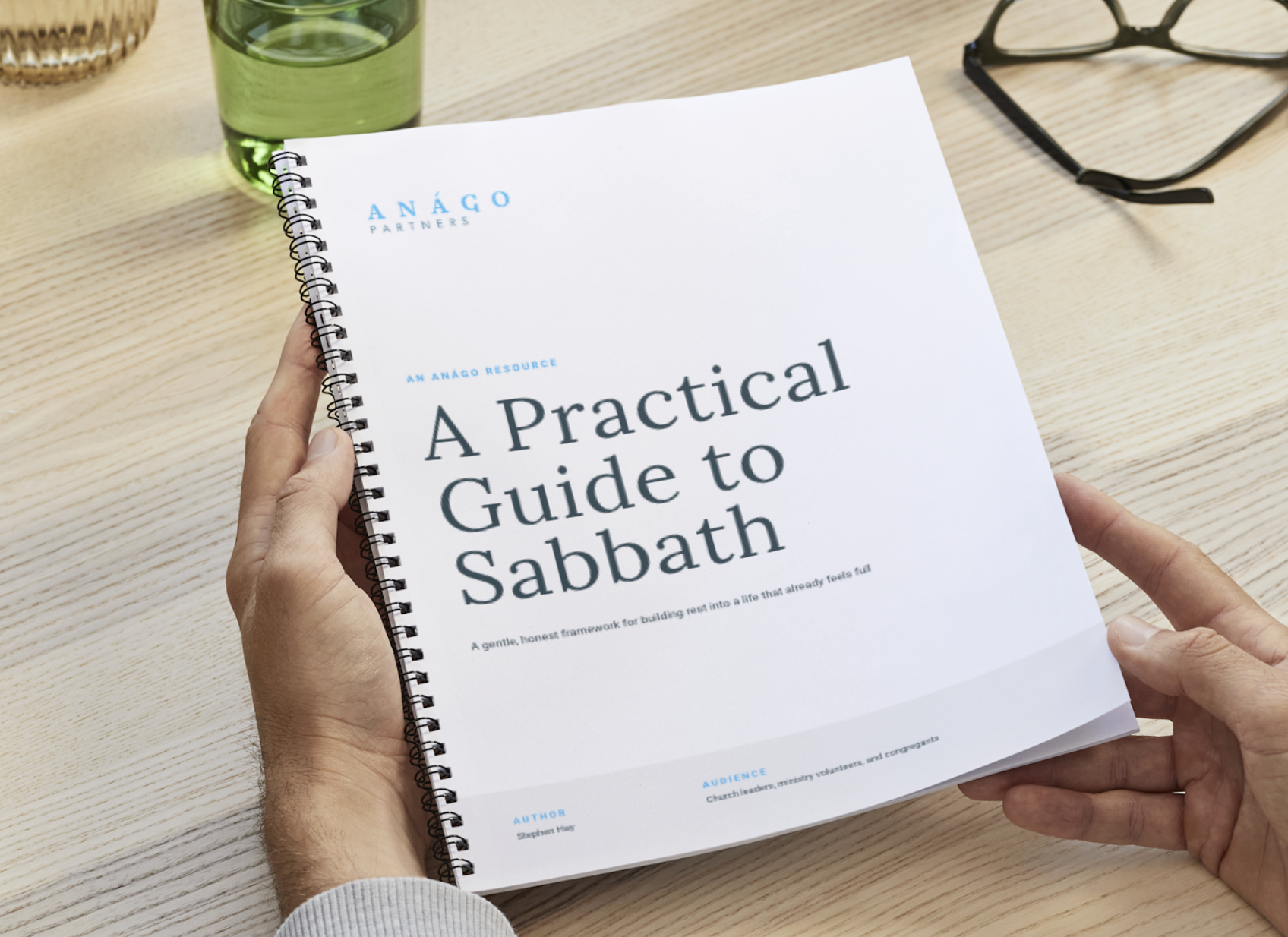
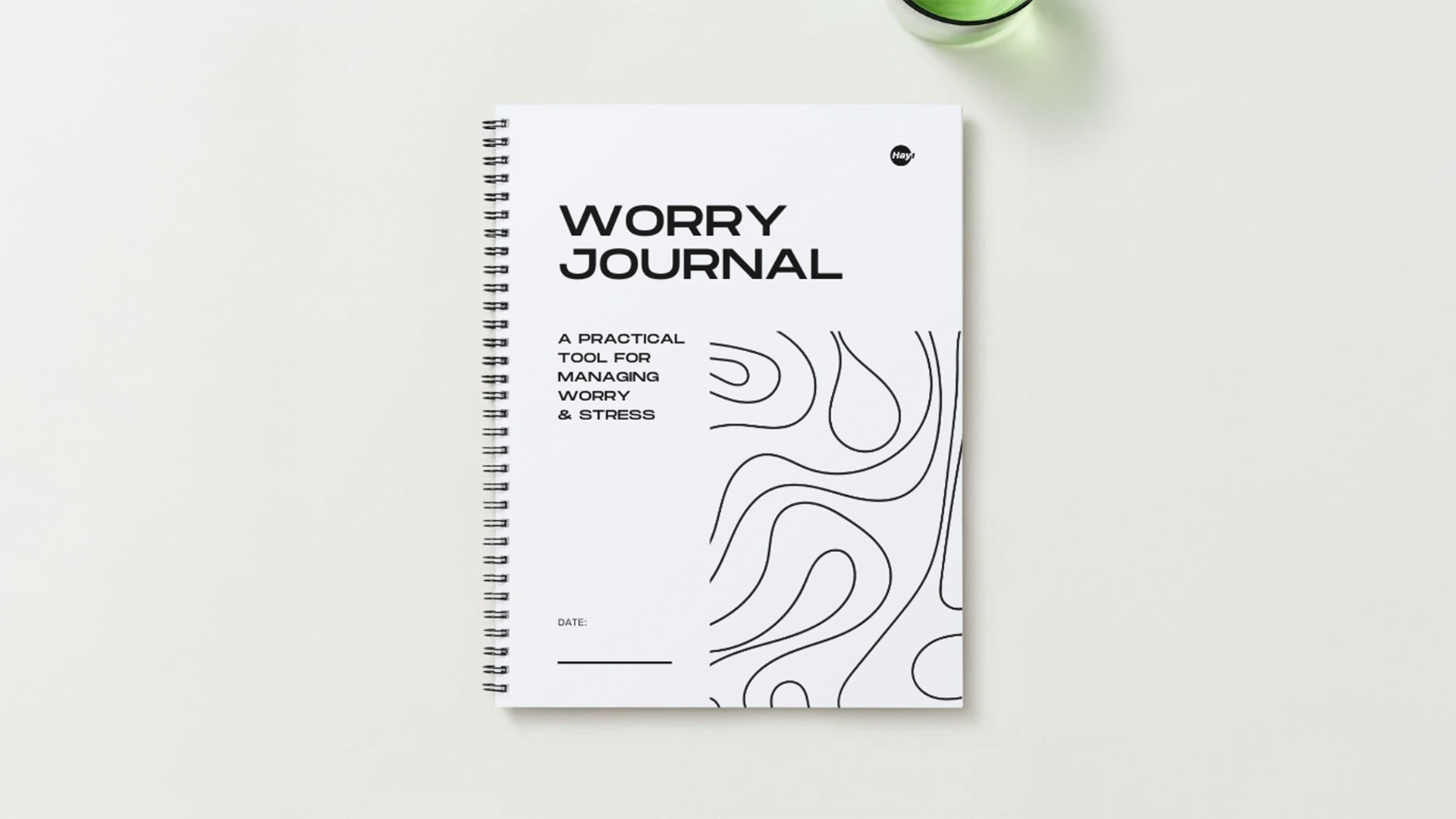
Resources
Tools for recovery, rest, and sustainable ministry.
Start here
Take the free leadership assessment.
The Right Thing Assessment is a free leadership style quiz from Stephen Hay's Power of Availability framework. Twelve questions, about ten minutes, and a scored snapshot of your character, motives, impact, and boundaries.
Next step
You do not have to wait until you are empty.
Stephen works with pastors and leadership teams to name what is driving the pressure and change the structures that keep it there.
Get new resources by email
One email when something new is published. No noise, no spam.